Why High Germination Seeds Matter for Successful Cannabis Cultivation
When I started growing cannabis seriously, I learned one hard lesson fast: a seed that doesn't sprout is just a tiny piece of wasted potential. I remember opening my first batch of bulk seeds with high hopes, only to watch half of them fail to crack. That experience taught me to value seed quality above almost everything else. Over the years, I've come to rely on high germination seeds not as a luxury but as a basic requirement for any serious grow.
The difference between a seed that germinates reliably and one that doesn't often comes down to genetics, handling, and storage. A seed supplier who treats their stock with care and tests for viability saves you weeks of frustration. For anyone buying in quantity, especially through a wholesale seed bank, understanding what drives germination success is essential. Let's walk through what I've observed from the seed side of cannabis cultivation.
What Makes a Seed Germinate Well
Germination rate is the percentage of seeds that sprout under ideal conditions. A rate of 95% or higher is what most experienced growers aim for. But that number depends on several factors that start long before the seed reaches your hands. Seed genetics play a huge role. Strains that have been stabilized over generations tend to produce more uniform offspring with reliable germination. When you buy cannabis seeds from a reputable source, you are paying for that genetic consistency.
Seed viability also depends on how the seeds were harvested and processed. Seeds that are allowed to mature fully on the plant before harvest have a much better chance of germinating. Immature seeds often look pale or greenish and rarely sprout. I've seen new growers mistake these for viable seeds, only to be disappointed. A good seed supplier will sort and grade their inventory to remove such material.

Practical Steps for Testing Germination
Before committing a large batch of bulk seeds to your grow, it pays to run a simple germination test. Take a sample of ten to twenty seeds and place them between damp paper towels in a warm, dark place. Check them every twelve hours for three to five days. This test gives you a quick read on the overall seed quality of that lot. I do this with every new purchase, even from suppliers I trust. It takes almost no time and saves me from wasting soil, pots, and space on dead seeds.
If the test shows a rate below 85%, I would hesitate to use that batch for a full-scale run. Some growers accept lower rates for rare strains, but for production, consistency matters more. Keep notes on each batch, including the supplier, strain name, and test results. Over time, this record becomes a valuable guide for future buying decisions.
Storage Conditions and Seed Longevity
Seed storage is another factor that directly affects germination performance. Cannabis seeds, like most seeds, prefer cool, dark, and dry conditions. Temperature swings and high humidity degrade the embryo inside the seed. I keep my seeds in airtight containers with a desiccant pack, stored in a refrigerator at around 40, 45 degrees Fahrenheit. This method has kept seeds viable for several years.
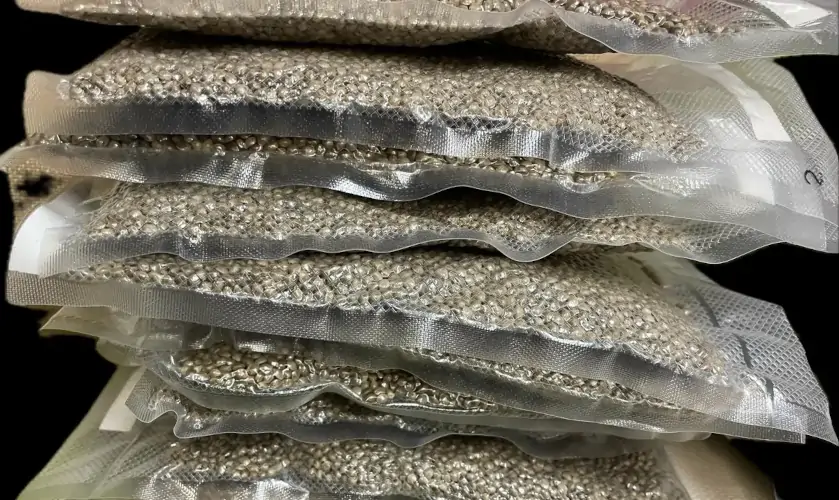
Seed packaging also matters. Some suppliers ship seeds in plastic bags that do not block light. Others use opaque, resealable pouches with a moisture barrier. The latter is far better for long-term storage. If you buy from a wholesale seed bank that uses quality packaging, that is a good sign they care about the product reaching you in good condition. International shipping can expose seeds to heat and rough handling, so packaging that protects against both is worth paying for.
Genetics and Strain Selection
Not all cannabis strains germinate with the same ease. Indica seeds tend to be slightly more robust in my experience, while some sativa seeds can be a bit more finicky, especially if they come from landrace varieties. That does not mean sativa seeds are inferior; it just means they may require a bit more attention during the seedling stage. When I grow from seed, I always factor in the genetic background of the strain when planning my propagation schedule.
Seed genetics also influence how well the plant performs after germination. A seed that sprouts quickly and produces a vigorous seedling often carries strong genes for disease resistance and growth rate. That early vigor translates into healthier plants and better yields later. For anyone running a commercial operation, investing in high germination seeds from a trusted seed supplier is a direct investment in your bottom line.

Bulk Buying and Wholesale Considerations
Buying bulk seeds through a wholesale seed bank changes the economics of a grow. When you purchase larger quantities, the per-seed cost drops, but the risk of a bad batch also grows if you do not vet the supplier. I have seen growers order hundreds of seeds only to find a large portion were dead on arrival because the supplier cut corners on storage or shipping. That is why I always ask about the supplier's germination guarantee and whether they run routine germination tests on their inventory.
A reliable seed supplier will be transparent about their testing methods and results. Some even publish their average germination rates by strain or batch. If a supplier hesitates to share this information, that is a red flag. For international shipping, also check whether the supplier uses discreet, secure packaging that protects seeds from temperature extremes during transit. This is especially important for marijuana seeds and hemp seeds, which can be sensitive to rough handling.
Common Mistakes in Seed Propagation
Even the best seeds can fail if propagation conditions are off. Here are a few pitfalls I have learned to avoid:
- Overwatering: Seeds need moisture, not a flood. Soggy medium rots the seed before it can sprout. Keep the medium damp but not wet.
- Too much heat: While warmth helps germination, temperatures above 85 degrees Fahrenheit can cook the embryo. Aim for 70, 78 degrees.
- Planting too deep: Seeds need darkness to germinate, but burying them more than a quarter inch deep makes it hard for the sprout to reach light.
- Skipping the test: A quick germination test on a sample batch can save you from planting an entire tray of duds.
- Ignoring seed age: Even with perfect storage, viability declines over time. Use seeds within two years for best results.
Avoiding these mistakes helps you get the most out of every seed you buy, whether you are growing a few plants for personal use or scaling up a commercial operation.
Choosing the Right Supplier
Finding a seed supplier you can trust takes some legwork, but it pays off. Look for a wholesale seed bank that has been in business for several years and has a track record of consistent quality. Read reviews from other growers, but take them with a grain of salt; some complaints are from people who mishandled their seeds. Instead, pay attention to comments about packaging, shipping speed, and how the supplier handles problems.
A good supplier will also offer a range of cannabis strains, both indica seeds and sativa seeds, so you can choose genetics that suit your climate and growing style. They should provide clear information about each strain's expected germination rate and any special care it might need. If they offer a germination guarantee, read the terms carefully. Some guarantees cover only the cost of the seeds, not the time and effort you lose if a batch fails.
Final Thoughts on Seed Quality
In the end, successful cannabis cultivation starts with the seed. I have seen too many growers skimp on seeds to save a few dollars, only to waste weeks and money on poor results. Investing in high germination seeds from a reputable source is not an expense; it is a foundation. When you buy from a wholesale seed bank that prioritizes seed quality, you set yourself up for a smoother grow from the first day.
Remember that seed viability is not static. It changes with time, temperature, and handling. Even the best seeds need proper storage and care. But if you start with strong genetics and a proven supplier, you give your plants the best possible start. That is what makes the difference between a frustrating season and a rewarding harvest.